The Quiet Brush: Calligraphy as Movement
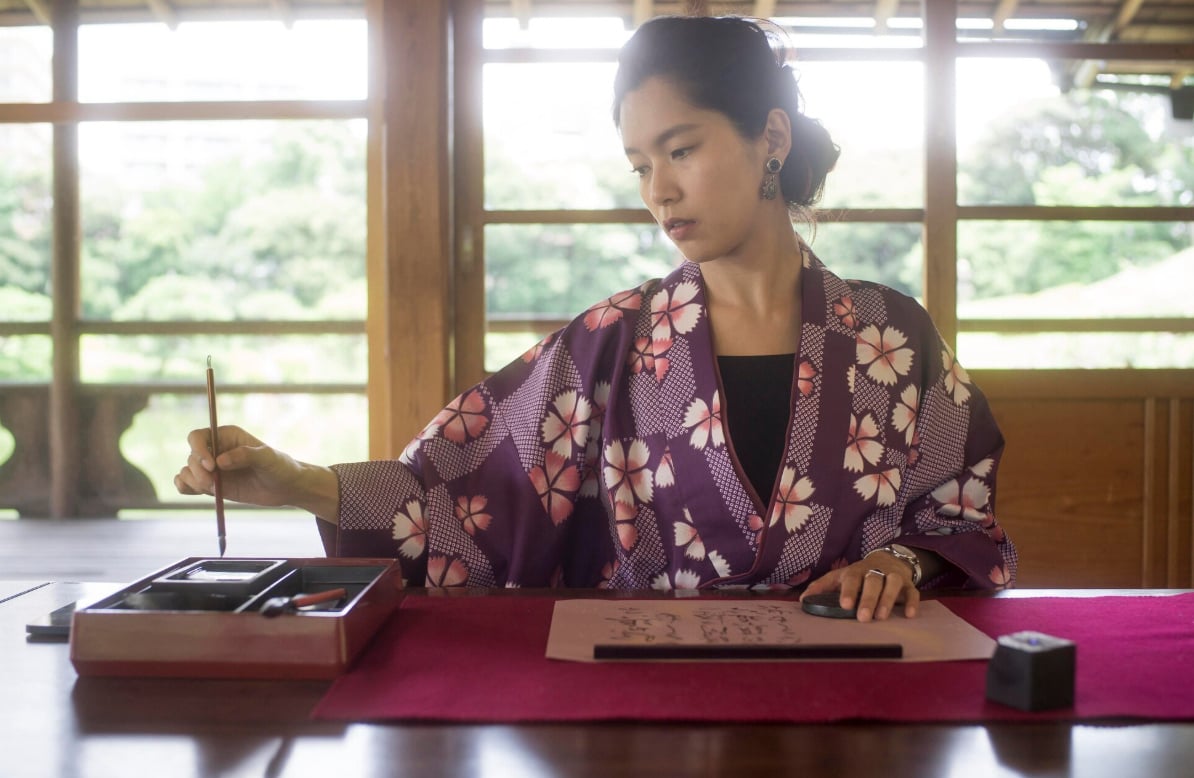
Japanese calligraphy, or shodo — "the way of writing" — transcends mere penmanship. Unlike typing on a keyboard or casual handwriting, shodo demands the entire body's engagement: feet rooted to the floor, spine erect, shoulders relaxed, and breath flowing slowly and deeply. The brush, traditionally crafted from bamboo and animal hair, carries ink that has been ground patiently from a solid ink stick against a stone. Every drop of ink and every fiber of the brush becomes an extension of the calligrapher's inner state.
Before making even a single mark on the paper, the calligrapher enters a period of silent preparation. This involves visualizing the character's shape, stroke order, and energetic flow — a mental rehearsal as important as the physical act itself. The ink is ground in slow, circular motions, a meditative ritual that mirrors the calm observed at the beginning of a tea ceremony. This preparatory stillness clears the mind of distractions, allowing the artist to approach the blank page with respect and clarity.
The choice of clothing profoundly affects the calligraphic experience. A kimono, with its wide sleeves and structured collar, naturally encourages an upright torso and unrestricted arm movement. Modern tight clothing can restrict breathing and alter posture, while the traditional garment serves as a physical reminder of proper etiquette and spatial awareness. Both shodo and ikebana teach that the alignment of the body directly influences the quality of creation — a bent spine produces a timid stroke, just as a crooked posture yields an unbalanced flower arrangement.
Key aesthetic principles of calligraphy include balance, rhythmic flow, and intentional emptiness — concepts equally vital to ikebana and the tea ceremony. In a well-composed character, the unpainted spaces (the ma) are as eloquent as the black ink strokes. A dry, broken brush effect (kasure) is not considered a mistake but an expressive accident that reveals the artist's energy in that precise moment. Similarly, the tea ceremony values the silent intervals between movements, not only the visible actions.
Practicing calligraphy alongside ikebana, kimono-wearing, and the tea ceremony deepens one's appreciation for the interconnected web of Japanese aesthetics. The way a brush turns at the end of a stroke resembles the way a tea host rotates the bowl before presenting it. The seasonal sensitivity guiding kimono patterns — plum blossoms in early spring, maple leaves in autumn — also influences the choice of paper color and ink tone in calligraphy. No single art claims superiority; each offers a different lens on the same attentive way of living.
Through regular practice, shodo becomes more than writing — it becomes a moving meditation and a record of the self. Beginners often chase perfect characters, but experienced calligraphers learn to accept and even celebrate imperfection. A slightly trembling line, an unexpected ink bleed, a stroke that strays from the ideal path — all are preserved as honest moments of human presence. In this way, the quiet brush speaks louder than words, inviting both the artist and the viewer into a shared space of patience, self-reflection, and quiet grace.